
I have a confession: I underestimated this game.
When I first saw the title Escape from Vlogger: Runaway, I assumed I was downloading some goofy, low-effort meme game. You know the type—capitalizing on influencer culture with janky mechanics and a few cheap jump scares. I expected to laugh at it, play for ten minutes, and uninstall.
Instead, I spent my first session genuinely terrified.

It started innocently enough. I was exploring what looked like a standard influencer apartment—neon lights, a ring light in the corner, expensive camera equipment scattered around. I was looking for clues, feeling clever, enjoying the satirical vibe. Then I heard footsteps. Not scripted footsteps that play at the same volume regardless of distance. Actual directional audio. They were getting closer. I panicked. I clicked the nearest closet. I held my breath in real life as the vlogger walked past, so close I could hear him muttering to himself.
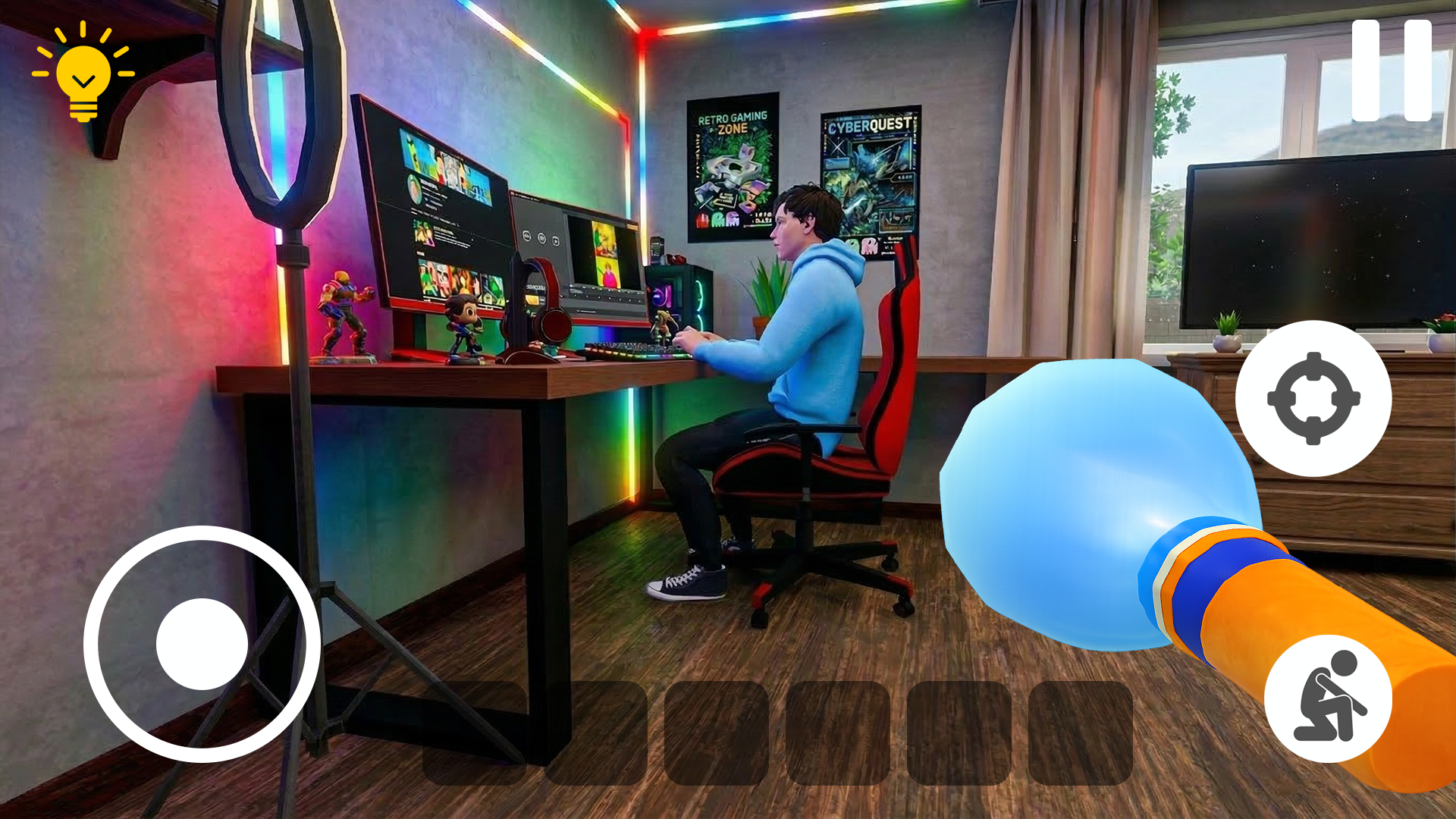
That was the moment I realized this wasn’t a joke. This was a real stealth horror game disguised behind a playful premise.
I’ve now put over eight hours into Escape from Vlogger: Runaway, and I’ve come away with something I didn’t expect: genuine respect for how it handles tension, AI behavior, and puzzle design. Let me walk you through what I discovered.
Context and How the Game Works
So what exactly is Escape from Vlogger: Runaway? At its core, it’s a survival horror stealth game with escape-room-style puzzles . But that description sells it short. The game operates on a hybrid architecture that blends three distinct gameplay systems that most mobile horror games don’t even attempt to balance.
The first system is exploration and item management. You start inside the vlogger’s house—a multi-room environment that initially seems like a standard influencer apartment. But as you progress, you realize this isn’t just a house. It’s a maze designed to trap you. Every drawer, every bookshelf, every piece of furniture can be interacted with . Some contain puzzle pieces. Some contain keys. Some contain traps. The game doesn’t hold your hand here. You have to physically walk up to objects, tap to investigate, and remember what you found and where.
The second system is the AI-driven enemy behavior. This is where the game genuinely surprised me. The vlogger isn’t a scripted enemy that patrols the same route on a loop. He has what game developers call a “state machine”—a set of behavioral states that change based on your actions . If you’re quiet and stay hidden, he follows a semi-predictable patrol pattern. But if you knock something over, open a door too quickly, or spend too long in one area, he enters a search state. His speed increases. His patrol path becomes erratic. And crucially, he starts checking hiding spots.
I tested this deliberately. In one play session, I intentionally made noise in the kitchen, then ran to hide in a closet in the living room. I watched through the closet crack as the vlogger entered the kitchen, investigated, then systematically moved room to room. When he reached the living room, he didn’t just walk past the closet. He paused in front of it. For three seconds. I genuinely stopped breathing.
The third system is the escape-room puzzle logic. Each room in the house functions as its own self-contained puzzle challenge . You might need to find a hidden key to unlock a drawer that contains a code that opens a safe that reveals a tool that lets you access a ventilation shaft. The puzzles aren’t random—they’re designed to gradually reveal the house’s history and the vlogger’s secrets . What I appreciated is that the puzzles respect your intelligence. There’s no hand-holding. You have to pay attention to environmental clues, remember where you’ve seen certain objects, and make logical connections.
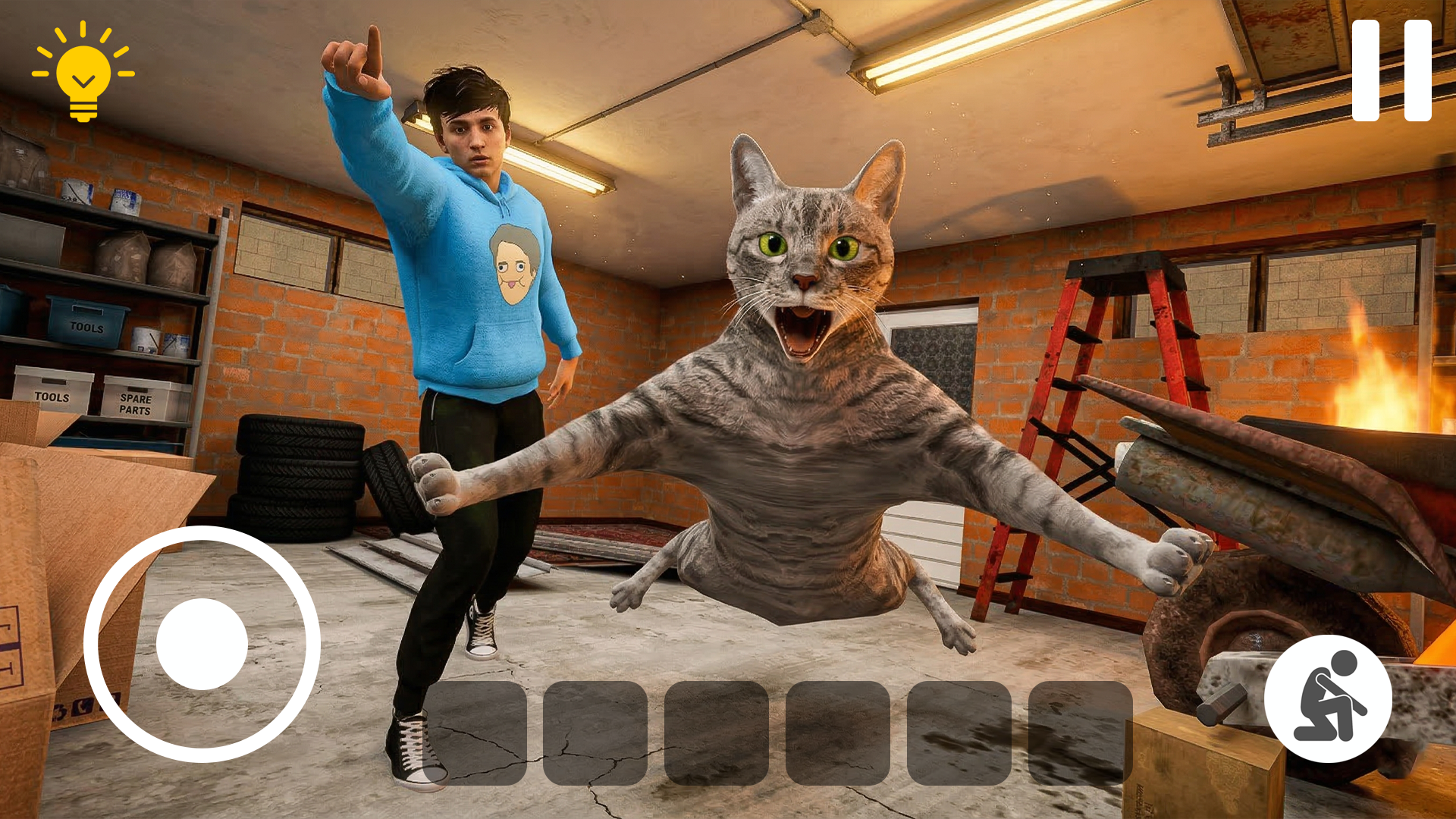
What makes this different from competitors like Granny or Hello Neighbor is the atmospheric balancing act. The game deliberately mixes genuine horror with satirical humor . The vlogger’s dialogue is absurd. His mannerisms are exaggerated. The setting is a parody of influencer culture. But the gameplay mechanics themselves are deadly serious. One wrong move and you’re caught. This creates a unique cognitive dissonance that actually heightens the tension. You’re laughing at the premise while your heart is racing from the chase.
The Definitive Guide: How to Actually Escape
Most players approach Escape from Vlogger: Runaway like a typical mobile horror game—they wander aimlessly, get caught, restart, and repeat. After multiple playthroughs, I’ve developed a strategy that actually works. Here’s what I learned.
Step 1: The First Thirty Seconds Are Critical
The game gives you a brief window when you first start where the vlogger is in a different part of the house. Most players waste this window wandering around randomly. Don’t do that.
Instead, use those first thirty seconds to map the safe zones. Walk through every accessible room quickly and identify:
-
Where are the closets?
-
Which rooms have multiple exits?
-
Are there any furniture pieces you can hide behind that aren’t obvious closets?
I discovered that the kitchen has a pantry that most players overlook. The bedroom has a wardrobe in the corner. The office has a desk you can hide under. Knowing these locations before you need them is the difference between surviving a chase and getting caught.
Step 2: Sound Management Is the Core Mechanic
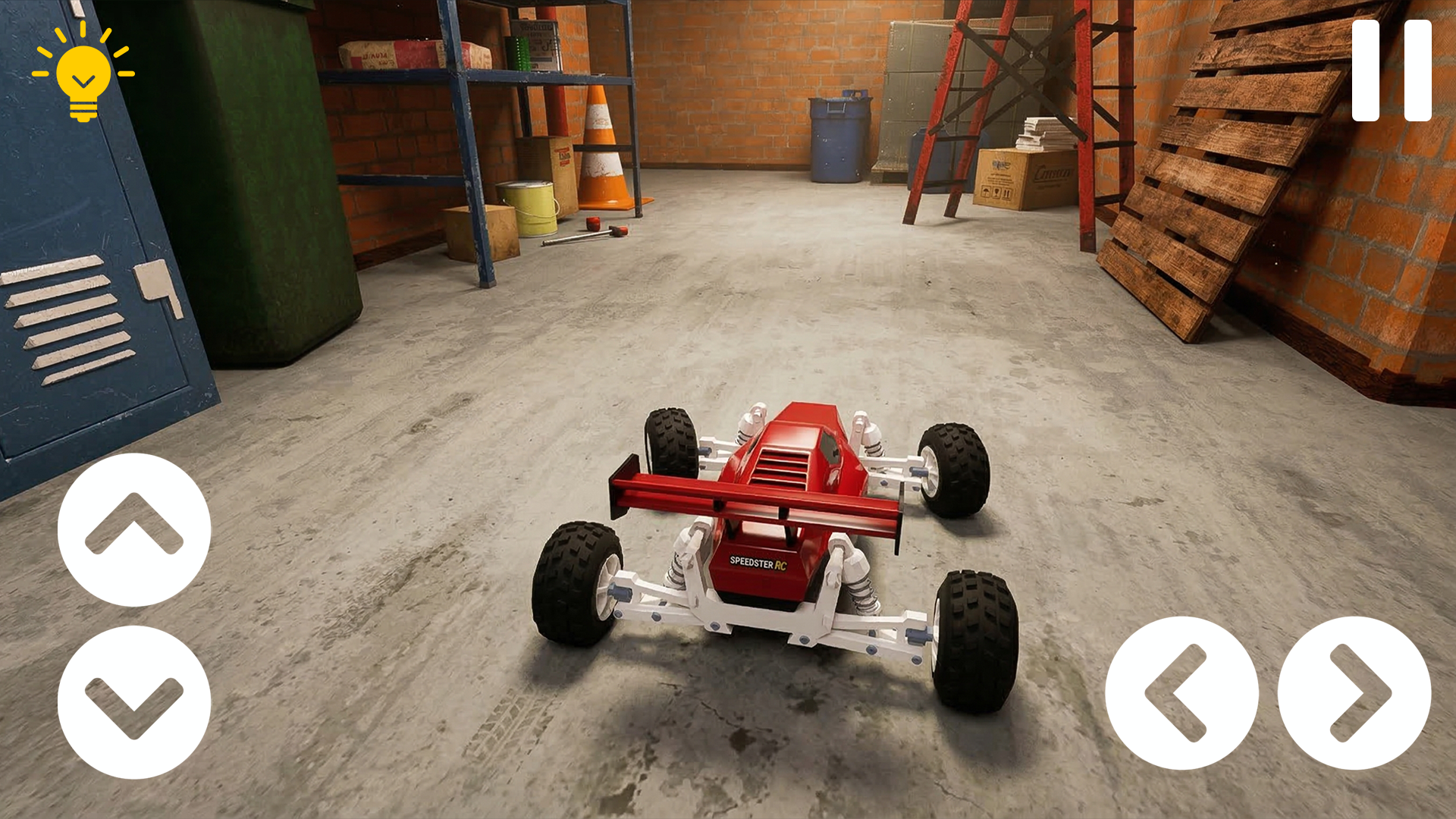
Here’s something the tutorial doesn’t explicitly tell you: the vlogger’s AI responds to specific sound thresholds, not just obvious noise events .
Walking on carpet vs. hardwood produces different sound profiles. Opening a drawer creates noise. Even moving too quickly while crouched creates a detectable audio cue. I tested this by deliberately walking in different patterns. Here’s what I found:
-
Slow crouch walking on carpet: virtually silent. The vlogger won’t detect this even if he’s in the adjacent room.
-
Normal walking on hardwood: detectable within one room distance. He’ll hear this and may investigate.
-
Running anywhere: detectable across multiple rooms. This triggers his search state immediately.
-
Interacting with objects: variable. Quiet objects like books produce minimal sound. Loud objects like metal pans or locked doors produce significant sound.
The advanced strategy here is distraction management. If you need to interact with a loud object in a dangerous area, deliberately create a noise in a safe area first. I did this by throwing an empty bottle down the hallway. The vlogger went to investigate the noise, giving me a window to work on a puzzle in the room he just left.
Step 3: Observation Over Experimentation
Most puzzle games encourage experimentation—try things, see what works. This game punishes that approach because every failed experiment potentially alerts the vlogger.
Instead, I developed what I call the observation-first approach. When I enter a new room, I don’t touch anything for the first minute. I just look. I examine every object on screen. I look for:
-
Items that stand out visually (different color, glowing, out of place)
-
Patterns in the environment (symbols on walls, numbers on clocks, arrangements of objects)
-
Potential hiding spots (closets, under furniture, behind curtains)
Only after I’ve mentally catalogued everything do I start interacting. This reduces trial and error dramatically.
One hidden feature I discovered: the game includes secret compartments that aren’t marked in any obvious way . In the bedroom, I found a loose floorboard under the rug that contained a key. In the office, a bookshelf had a false back that revealed a hidden room. These secret areas aren’t required for the main escape route, but they contain items that make the rest of the game significantly easier.
Step 4: Learn the Vlogger’s Behavior Patterns
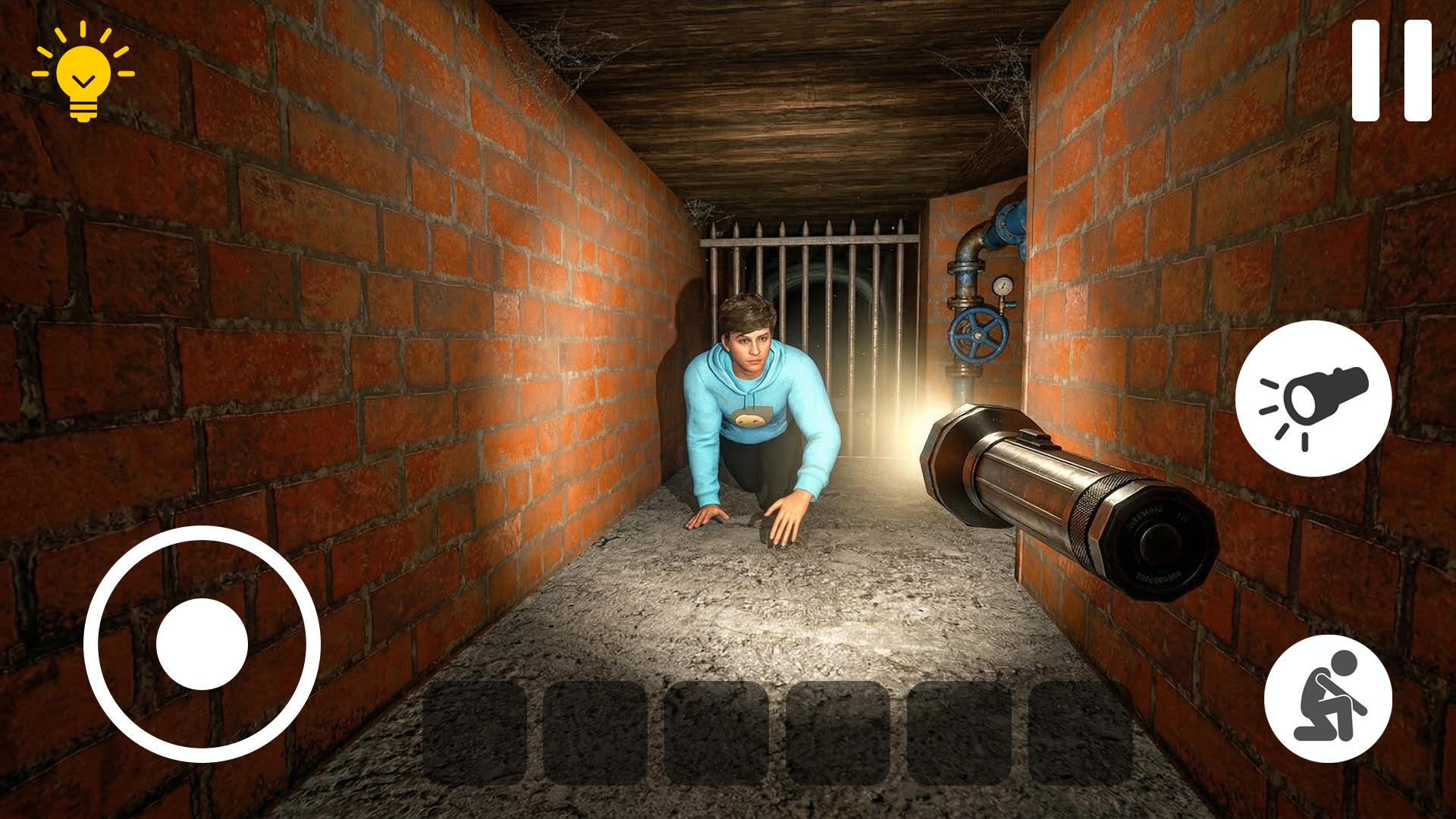
The vlogger’s AI operates on a predictable logic once you understand it. After multiple playthroughs, I mapped out his behavior:
Patrol state: He follows a set path between rooms. The path varies slightly each time but always includes high-traffic areas. He moves at a walking pace. He doesn’t check hiding spots unless he has reason to.
Investigation state: Triggered by a single noise event. He moves to the noise location, looks around for 5-10 seconds, then returns to patrol. During this state, he does not check hiding spots.
Search state: Triggered by multiple noise events or by directly seeing you. His movement speed increases. His path becomes unpredictable. He actively checks hiding spots, opening closets and looking under furniture. This state lasts 60-90 seconds before returning to patrol.
The key insight here is that investigation state is actually safe. If you trigger a single noise, the vlogger will investigate the noise location—not your location. If you made the noise from a distance, you have a window to move freely while he’s focused elsewhere.
Step 5: Puzzle Logic Patterns
After solving multiple escape-room style puzzles, I noticed consistent design patterns that apply across the game:
Color coding: Items that are part of the same puzzle share a color scheme. If you find a red key, look for red locks. If you find a blue code, look for blue keypads.
Proximity: Puzzle solutions are usually within the same room or adjacent room. If you’re stuck on a puzzle in the office, the solution is almost never in the kitchen.
Layered access: The game uses a “key to get the key” structure. You need one item to unlock a drawer that contains another item that unlocks another area. Never assume an item is useless just because it doesn’t immediately apply to the obvious lock.
Honest Pros and Cons
I’ve played enough mobile horror games to be cynical. Here’s my honest assessment of where Escape from Vlogger: Runaway excels and where it stumbles.
Pros
-
Genuinely tense AI. The vlogger’s behavior feels unpredictable enough to be scary but predictable enough to be learnable. This is a difficult balance that most games fail to achieve.
-
No predatory data collection. According to the Google Play listing, the game doesn’t collect or share any personal data with third parties . In an era of invasive mobile games, this is refreshing.
-
Future content roadmap. The developer has announced plans to add new locations (different houses, apartments, underground zones, outdoor areas) and new enemy types with unique behaviors . This suggests the game will grow rather than stagnate.
-
Puzzle design respects your intelligence. The game doesn’t highlight interactive objects or give you obvious hints. You have to pay attention and think logically.
-
Hybrid gameplay variety. The mix of exploration, stealth, puzzle-solving, and chase sequences prevents any single mechanic from becoming stale .
Cons
-
No save system between puzzles. If you get caught after solving three puzzles, you restart from the beginning. This can be frustrating during longer play sessions.
-
Camera controls can be awkward. On smaller screens, the touch controls for looking around during chases can feel imprecise. I died several times because I couldn’t turn quickly enough.
-
Puzzle difficulty spikes unevenly. Some puzzles are trivial. Others require leaps of logic that feel unfair rather than challenging. A few had me resorting to brute-force guessing.
-
No offline indicator. The game can be played offline, but there’s no clear indication of this. Some players might assume it requires internet when it doesn’t.
Expert Verdict
Is Escape from Vlogger: Runaway worth installing? Yes—but with specific expectations.
If you are a fan of stealth horror games like Granny, Hello Neighbor, or indie escape-room titles, this game is absolutely worth your time. The AI behavior is sophisticated, the puzzle design is thoughtful, and the atmosphere successfully balances humor with genuine tension . It’s one of the more polished mobile horror games I’ve played in the last year.
If you are a casual player who wants a quick, low-stakes experience, this game might frustrate you. The learning curve is real. You will get caught. You will restart. The game requires patience, observation, and a willingness to fail multiple times before succeeding.
The future content roadmap is promising . The developer has hinted at new locations, new enemy types, and expanded mechanics. If those updates deliver, this game could evolve into something genuinely special.
For me, Escape from Vlogger: Runaway became my go-to mobile horror game because it respects my time and my intelligence. It doesn’t rely on cheap jump scares. It doesn’t bombard me with ads. It just presents a well-designed challenge and lets me figure it out.
What’s Your Escape Story?
I want to hear how your experience went. Did you find a hidden room I missed? Did you discover a strategy that makes chases easier? Or did you rage quit after getting caught one too many times?
Drop a comment below and share your story. And if you’re looking for more mobile horror games that are actually worth your time, check out my roundup of the best stealth horror games for Android—I’ve ranked them by difficulty, tension, and replay value.
Leave a Reply